Iran War Costs Hit Republican Midterm Prospects
Fuel prices above $4 per gallon and an eight-month conflict are testing GOP support in competitive races ahead of Nov. 3.
By Cameron Hayes ·
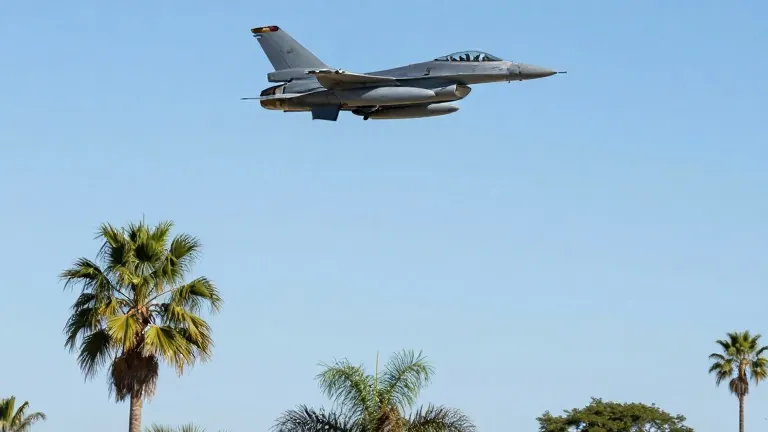
President Donald Trump launched the war on Iran with the promise that it would last only a few weeks.
Nearly eight months later, the conflict has extended far beyond that timeline. The national average price for gasoline has remained above $4 per gallon since mid-June. Diesel prices are hovering near record highs. These costs are straining budgets in conservative states including Iowa, Kansas, Ohio, and Texas.
The economic pressure is influencing voter behavior in key midterm races. Noor Dubow, 44, a dispatcher in Columbus, Ohio, said he usually votes for Republican candidates who support his economic views. However, his frustration with the Iran conflict pushed him toward Democrats when he cast his early ballot. Dubow noted that surging fuel prices are disrupting the economy, a trend he monitors from his job in trucking logistics.
Republican strategists acknowledge the war has become a liability. Five GOP strategists involved in key races told The Associated Press in early summer that they saw warning signs the conflict would hurt their candidates if it did not end soon. An interim ceasefire forged in June with Tehran collapsed within weeks. Oil prices, which had dipped in June, surged again in September as Trump threatened escalation before suggesting a deal might be near.
Internal party data indicates that House districts Trump won easily in 2024 are becoming competitive. Campaign officials in battleground races reported that voters are increasingly linking the war to higher grocery prices and travel costs. This trend became more pronounced after the Labor Day holiday.
Trump continues to downplay the economic impact. At a weekend rally in Michigan, he stated he had no regrets about starting the war. He argued that the economic effect has been less severe than anticipated, calling it a "small price to pay for taking a nuclear weapon away from maniacs." He also dismissed critics who link the war to an affordability crisis as promoting a "hoax" or "scam."
Christopher Borick, director of the Lehigh University Opinion Observatory, said Trump's messaging is resonating with a shrinking portion of the electorate. For voters disappointed by the conflict's direction, the president's claims are not changing their negative outlook. An AP-NORC poll published last week found that voters from both parties want the next Congress to focus on affordability and ending the war.
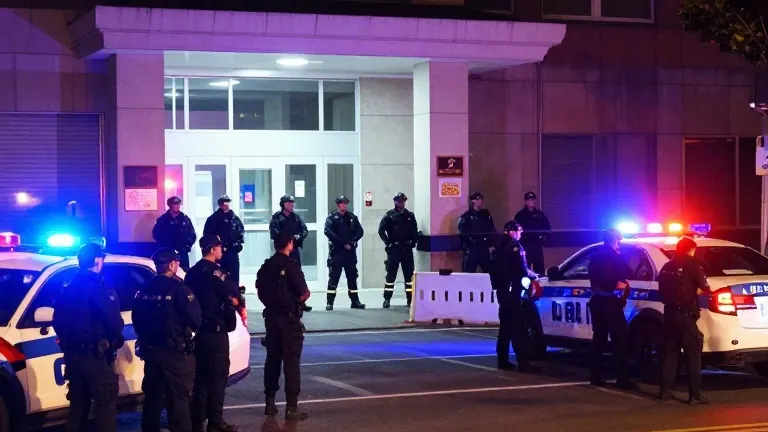
The conflict has also spread regionally. Iran-backed Houthi rebels have attacked Saudi Arabia's oil infrastructure and airports. A Saudi-led coalition responded with strikes on Houthi-held territory in Yemen. The State Department announced over the weekend that it is reducing staffing at four U.S. embassies in the Middle East after intelligence suggested Iran is targeting American personnel.
Voter sentiment is mixed but wavering. Clay Coey, 59, an auctioneer in DeWitt, Michigan, admitted that filling his 2010 Chrysler Sebring makes him cringe, though he remains willing to pay higher prices to eliminate a security threat. Sean O'Brien, 21, a student at Auburn University in Alabama, said the decision to go to war left him "very disillusioned" with the party's "America First" promise to avoid "forever wars." O'Brien, who considers himself an independent, said he expects to vote Democratic this year.
Source: ABC News